Research
There is good news in the advancement in lung cancer research. New treatments are being discovered that can be used alone, before, after, or in combination with traditional chemotherapy, radiation and surgery.$0
has been donated in research funding for seed projects at The University of Texas MD Anderson Cancer Center to the Thoracic Department, and has generated 20x in larger research grants.
We seek to help fund research
that focuses on

Early detection & diagnosis of lung cancer

Personalized & targeted treatment therapies

Increasing survival rates & eradicating cancer
Making a difference
Through the years
2025 Total Funding $600,000
Funded by —
Lance Bertrand Grant
Pre-Cancer & Environmental Exposures Research
Researchers:
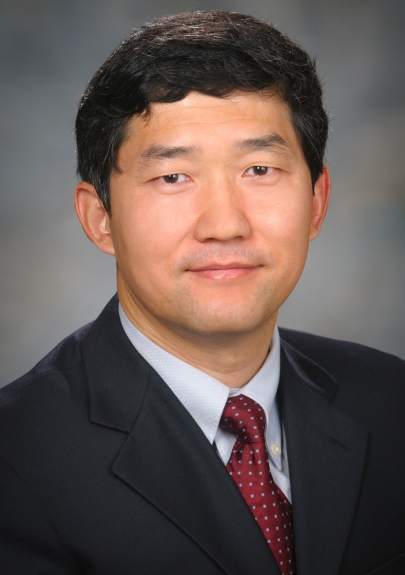
Dr. Zhang, Dr. Heymach, & Dr. Vaishnavi
Targeting IL-1α for Interception of KRAS-Driven Lung Pre-Cancer / Combined with Elucidating the Molecular Mechanisms of Sexual Dimorphism in Lung Cancer following Environmental Exposures

Funded by —
Rexannas General Fund
KRAS-inhibitor resistant NSCLC Treatment Research
Researchers:
Dr. Gibbons & Dr. Kundu
Investigate the mechanisms of treatment resistance and therapeutic vulnerability of brain metastases in KRAS-inhibitor resistant NSCLC
Funded by —
Pamela Henicke Grant
AI-powered Digital Twin Framework
Researchers:
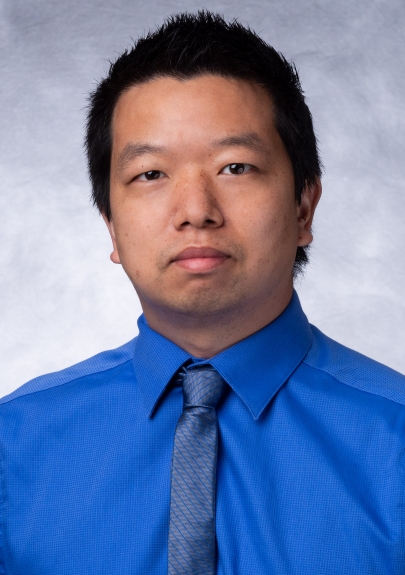
Dr. Wu, Dr. Heymach & Dr. Zhang
Optimizing Lung Cancer Treatment
Matching grant gift provided by Rusty Rush.
Funded by —
Victor Elias Grant
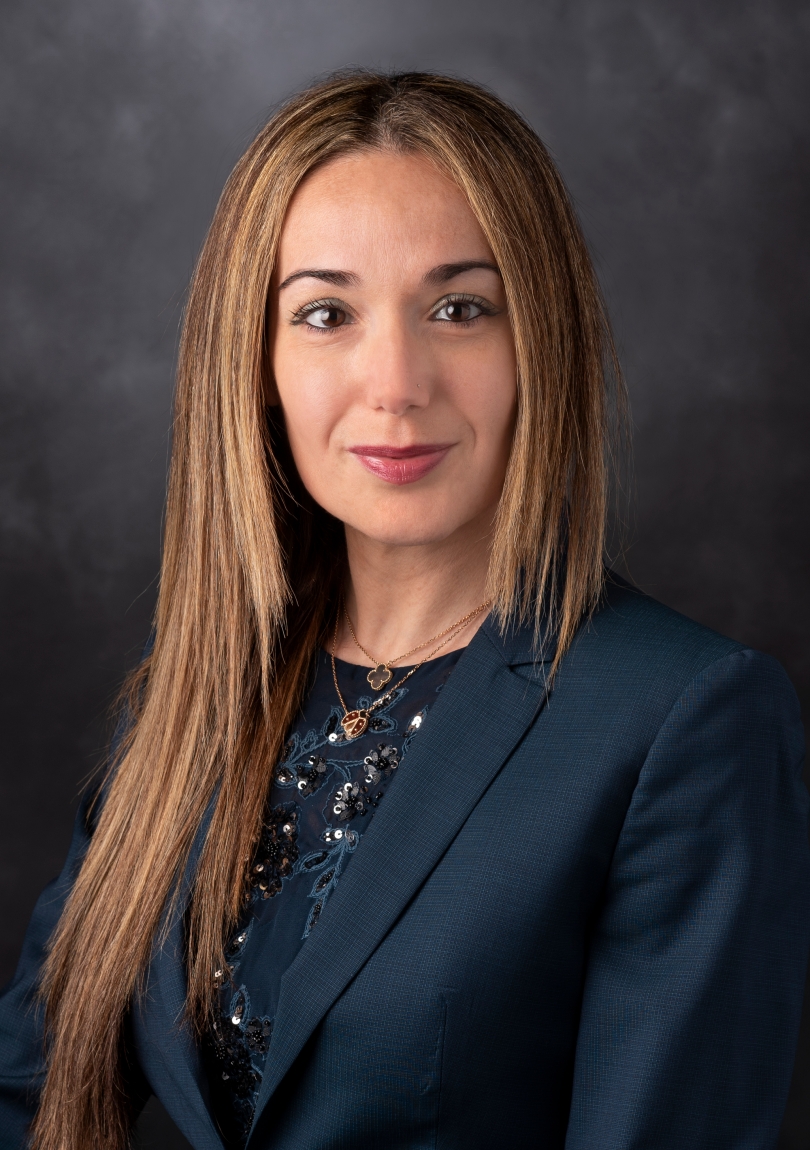
MD Anderson Young-Onset Lung Cancer Program
Researchers:
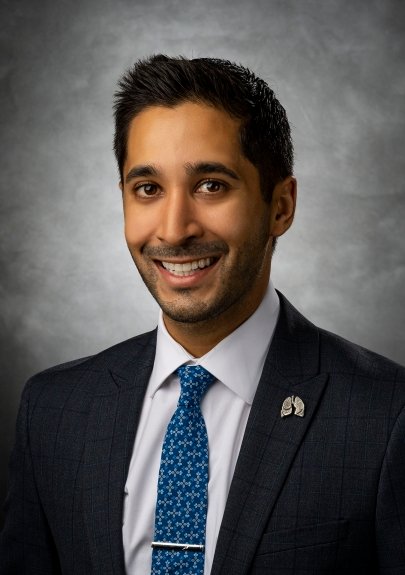
Dr. Singhi & Dr. Antonoff
Survivorship through the MD Anderson Young-Onset Lung Cancer (YOLC) Program: Promoting Wellness, Surveillance, and Long-term Health
Funded by —
Tamra Hissom Budd Grant
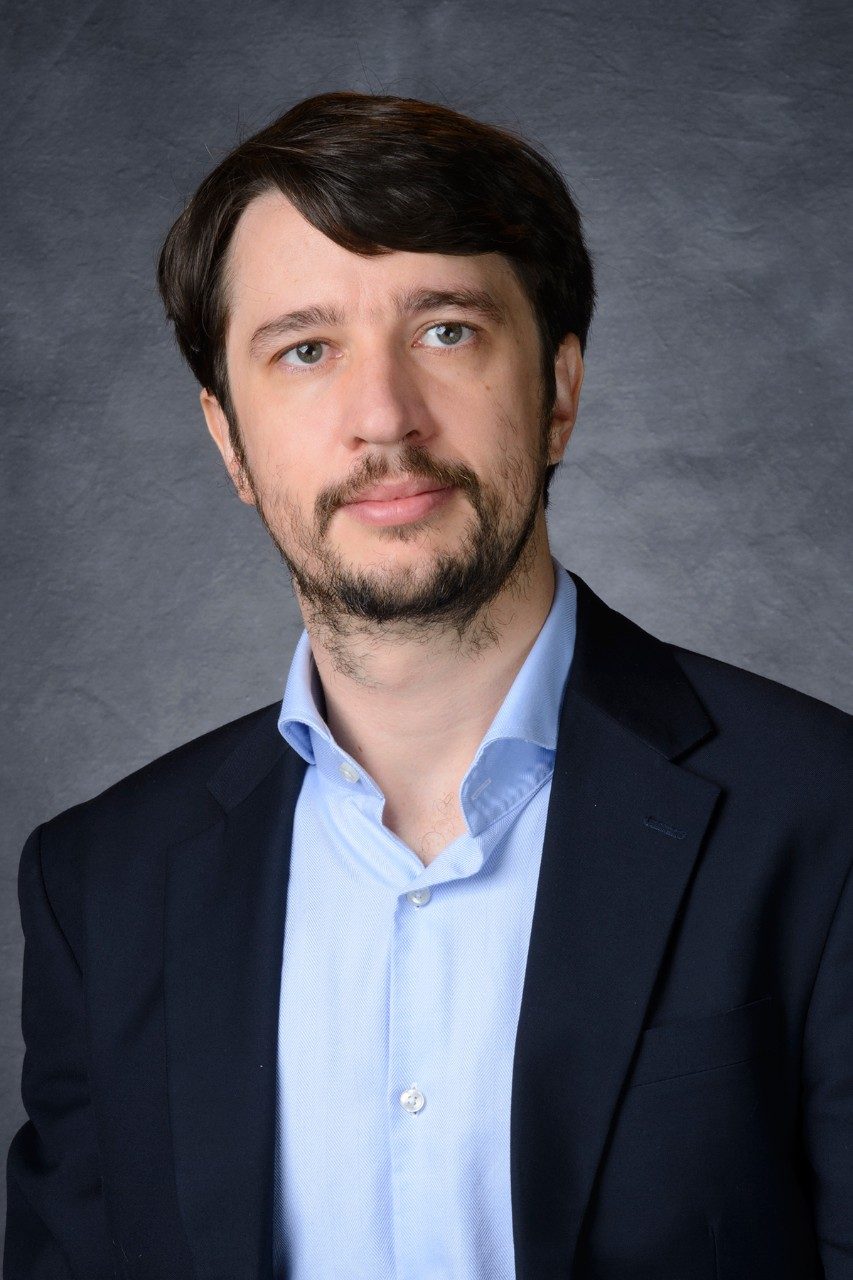
B-to-T Cell Interactions with Immunotherapy
Researchers:
Dr. Cacone
Elucidating how B-to-T Cell Interactions Shape the Response of Early-Stage Non-Small Cell Lung Cancer to Immunotherapy
Funded by —
Lance Bertrand Grant
Characterizing Transcriptional Events in EGFR-driven Lung Cancer for Resistance
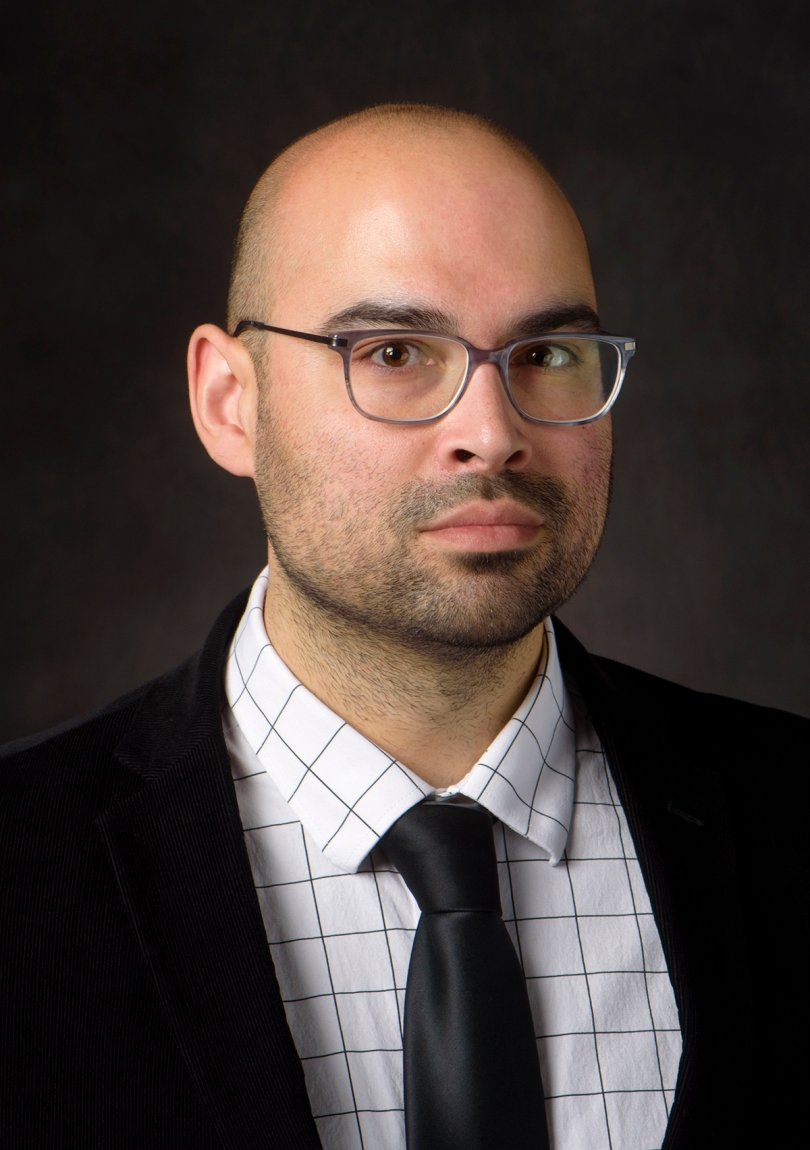
Researchers:
Dr. Heeke & Dr. Le
Prediction and Biomarker Identification in Tissue and Liquid Biopsies
Funded by —
Bruce Campbell Grant
Innovative Engineered T Cell designs for the treatment of drug-resistant lung cancers
Researchers:
Drew C. Deniger & Alexandre Reuben
Our lab has already discovered and validated 21 unique T cell receptors (TCRs) with in vitro efficacy – ability to recognize and kill tumor cells in the lab. Prior work by academia and industry has demonstrated some proof of concept that introduction of TCRs into patient T cells to generate TCR-T cells resulted in objective clinical responses. However, these results were neither durable past 1 year nor resulting in complete responses, and most patients treated had little or no clinical benefit even if tumor shrinkage was observed. We aim to build upon these proof-of-concept reports and build a cellular therapy that has increased potency and persistence and could be the framework for incorporation of other TCRs that could target any immunogenic peptide/HLA complex for immunotherapy of multiple cancer histologies or autoimmune disorders. We anticipate that, if successful, these studies will be the foundation for Phase I clinical trials in the THNMO department at MD Anderson for patients with refractory lung cancers.

Funded by —
Pamela Henicke Grant
Characterize ALK fusion resistant mutations to predict efficacy to current and next generation ALK inhibitors
Researchers:
David Molkentine, BS, Research Laboratory Coordinator, Thoracic H&N Medical Oncology, MDACC
Increasing knowledge of mutation-specific ALK inhibitor resistance would translate to patients and clinicians by providing a roadmap for ALK inhibitor treatment efficacy and guide 1st line treatment decisions for patients with ALK fusion driven NSCLC.